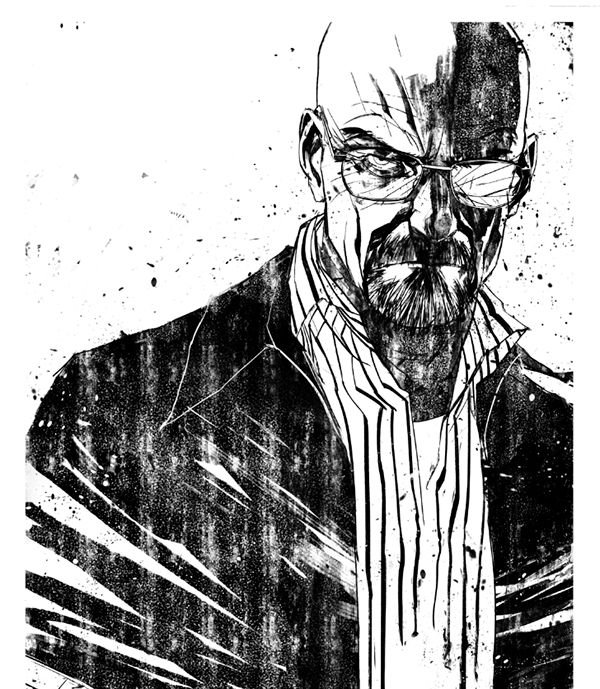
In the vibrant tapestry of global fandom, there’s a unique, powerful thread woven by creativity and shared passion: Fan Art & Illustrations (Doujin). It’s the spontaneous combustion of imagination, where beloved characters find new life in fresh narratives, iconic scenes are reinterpreted with personal flair, and entire universes expand beyond their official borders. For many, it's not just a hobby, but a deeply personal way to engage with stories and communities that resonate deeply.
Whether you've meticulously sketched your favorite anime hero in a new outfit, composed a dramatic digital painting of a game character, or even compiled a small, self-published comic featuring your beloved K-pop idols, you've participated in this dynamic cultural phenomenon. It’s a testament to how art can transcend mere appreciation, transforming into an active, breathing conversation between creators, original works, and their devoted audiences.
At a glance: Your essential guide to Fan Art & Doujin
- What it is: Fan art refers to any artwork (digital or traditional) created by fans, inspired by existing media like books, movies, games, or anime. "Doujin" (often "doujinshi" for comics) specifically refers to self-published, fan-created works, particularly prevalent in Japanese fandoms, encompassing artbooks, manga, and novels.
- Why it thrives: It's a powerful avenue for personal expression, community building, skill development, and a unique way to deepen engagement with beloved fictional worlds.
- Navigating the rules: Understand the crucial distinctions between inspiration, plagiarism, and copyright. While a legal "gray area," ethical creation and respectful credit are paramount.
- Getting started: You don't need to be a professional. Find your muse, pick your tools (digital or traditional), and focus on learning and enjoying the creative process.
- Sharing your work: Online platforms (DeviantArt, Pixiv, Instagram) and physical events (conventions, artist alleys) are key for connecting with fellow fans and artists.
- Monetization potential: While tricky due to copyright, commissions and original character art can offer avenues for income, often within a supportive community.
Defining the Canvas: What Exactly Are Fan Art & Doujin?
At its core, fan art is pretty straightforward: it's artwork created by fans, for fans, using characters, settings, or concepts from an established piece of media. Think of it as a love letter, a conversation, or even a critical commentary on the original work, expressed visually. From intricate pencil sketches to stunning digital paintings, cosplay designs, or even animated shorts, if it's inspired by an existing franchise and created by someone outside the original production team, it generally falls under the umbrella of fan art.
The term "Doujin" (同人), however, carries a slightly different, more specific weight, especially within the context of Japanese pop culture. While often used interchangeably with "fan art" in broader English-speaking fandoms, doujin technically refers to self-published, fan-created works. This frequently includes:
- Doujinshi (同人誌): Self-published fan manga or comics. These can range from short stories to full-length series, often exploring alternative plotlines, character pairings (known as "shipping"), or comedic scenarios not found in the original canon.
- Doujin soft/games: Fan-made video games.
- Doujin music: Fan-made music, often remixes or covers.
- Doujin artbooks: Collections of fan illustrations, often showcasing a single artist's interpretations of various series or focusing on one specific fandom.
The key distinction for doujin lies in its self-published nature and its strong roots in Japanese fandom culture, though the practice has globalized significantly. It's a powerful tradition that bypasses traditional publishing routes, allowing creators to share their work directly with an eager audience, often at massive events like Comiket in Japan.
Historically, fan creations have always existed. Early forms included fanzines dedicated to sci-fi novels or rock bands, photocopied and distributed hand-to-hand. With the advent of the internet and digital art tools, the floodgates truly opened. Platforms like DeviantArt, Tumblr, Pixiv, and Instagram became global galleries, allowing artists to instantly share their interpretations of everything from classic literature to the latest blockbuster films or popular anime series. This digital revolution democratized art creation and sharing, fostering unparalleled growth in the fan art community.
The Heart of Fandom: Why We Create (And Consume) Fan Art
Why do millions of people dedicate countless hours to drawing, painting, and illustrating characters and worlds they didn't invent? The motivations are as diverse as the art itself, yet they often converge on a few core human desires:
Connecting on a Deeper Level
When a story or character truly resonates, it leaves an indelible mark. Creating fan art is a way to process those feelings, to engage with the narrative beyond passive consumption. It's an active dialogue with the source material, allowing you to explore "what if" scenarios, delve into character psychology, or simply celebrate what you love most about a particular franchise. For example, seeing a cherished hero depicted in a moment of vulnerability or triumph that wasn't shown on screen can deepen a fan's appreciation for their journey.
A Powerful Form of Self-Expression
Fan art provides a unique sandbox for artistic expression. You might love the distinct visual style of a show, but you also bring your own unique perspective. How would a character look in your preferred art style? What emotions would you highlight in a particular scene? This personal touch transforms derivative work into something new and reflective of the artist's own voice. It's a low-stakes environment to experiment and find your artistic footing, using familiar subjects as a comforting starting point.
Skill Development and Artistic Growth
For many aspiring artists, fan art is an invaluable training ground. It offers:
- Practice with fundamentals: Drawing beloved characters repeatedly helps refine anatomy, perspective, facial expressions, and clothing folds.
- Experimentation: Want to try a new digital painting technique? Or practice drawing dynamic poses? Using an established character removes the pressure of inventing something entirely new, letting you focus purely on technique.
- Instant feedback: Posting your fan art online often brings immediate engagement and constructive criticism from fellow fans and artists, accelerating your learning curve.
It's a testament to the power of passion that many professional artists today began their journey through fan art, honing their craft before transitioning to original creations. The sheer volume of inspiring content, from vibrant illustrations on Pinterest to detailed character studies on dedicated anime and manga communities, fuels this drive to create.
Building Community and Shared Identity
Fandoms are inherently communal spaces. Fan art acts as a visual language within these communities, sparking discussions, generating inside jokes, and solidifying shared experiences. When you create fan art, you’re not just making a picture; you're contributing to a collective tapestry of creativity that reinforces group identity.
- Shared excitement: A new piece of fan art can reignite excitement for an older series or amplify the buzz around a new release.
- Connecting with like-minded individuals: It’s a wonderful icebreaker. You find others who share your specific passions, leading to friendships, collaborations, and a sense of belonging.
- Celebrating diversity: Fan art often fills gaps in representation or explores interpretations that resonate with diverse audiences, fostering inclusivity within a fandom.
Navigating the Nuances: Copyright, Ethics, and Respect
This is where the conversation gets a bit trickier, yet it's crucial for any artist engaging with fan art and doujin. The legal and ethical landscape of creating derivative works is often described as a "gray area," and understanding its contours is vital for both original creators and fan artists.
The Elephant in the Room: Copyright Law
Generally, fan art, by its nature, uses copyrighted characters, settings, and stories without direct permission from the original creator or rights holder. In many jurisdictions (including the US), copyright holders have exclusive rights to reproduce, distribute, perform, display, and create derivative works from their creations.
- Fair Use/Fair Dealing: Some legal frameworks, like "Fair Use" in the US or "Fair Dealing" in other countries, provide limited exceptions where copyrighted material can be used without permission. However, applying these doctrines to fan art is complex and often decided on a case-by-case basis by courts. Factors typically considered include:
- Purpose and character of the use: Is it commercial or non-profit? Is it transformative (does it add new meaning or expression)?
- Nature of the copyrighted work: Is it factual or creative?
- Amount and substantiality of the portion used: How much of the original work is being used?
- Effect of the use upon the potential market for or value of the copyrighted work: Does the fan art harm the original creator's ability to profit from their work?
Most fan art, especially if it's a direct re-drawing without significant new commentary or interpretation, does not clearly fall under Fair Use. However, most copyright holders tolerate fan art because it generates positive buzz, strengthens fandom, and often serves as free promotion. They might only intervene if the fan art is explicitly harmful, directly competes with their merchandise, or is created in bad faith.
The Ethical Imperative: Giving Credit and Avoiding Plagiarism
Regardless of legal technicalities, ethical conduct is non-negotiable.
- Always credit the original source: This is the golden rule. Clearly state which franchise, show, game, or artist inspired your work. For example, "Fan art of character X from Series Y, created by Z." This shows respect and helps others discover the original work.
- Avoid plagiarism: Do not trace, directly copy, or claim someone else's fan art or original art as your own. Inspiration is one thing; outright theft is another. If you're using a reference image, acknowledge it. If you're doing a "draw this in your style" challenge, credit the original artist.
- Respect content warnings: If your art features mature themes, gore, or potentially triggering content, use appropriate warnings and tags.
- Do not misrepresent your work as official: Never imply that your fan art is officially endorsed merchandise or a new canon piece.
- Consider the creator's wishes: Some creators or companies have explicit policies regarding fan art. While rare, it's worth being aware. For instance, some companies are fine with non-commercial fan art but strictly prohibit any form of monetization.
Ultimately, while the legal landscape is hazy, operating with integrity, transparency, and respect for both the original creators and fellow artists will serve you best.
From Idea to Canvas: Practical Steps for Creating Your Own Fan Art
Ready to dive in? Creating fan art is an incredibly rewarding journey, and you don't need a fine arts degree to start. Here’s a roadmap from concept to finished piece.
Finding Your Muse: Inspiration and Subject Matter
This is often the easiest part! What stories, characters, or worlds captivate you?
- Choose a Fandom: Pick a show, game, book, movie, or even a real-life personality (like a musician or actor) that you genuinely love. Your passion will shine through.
- Select Your Subject:
- Favorite character: How do you see them? In a new outfit, a different setting, or expressing an emotion not often shown?
- Iconic scene: Recreate a memorable moment from your perspective.
- "What if" scenario: Explore an alternate reality or a scene that never happened. What if Character A met Character B from a different series? What if the ending was different?
- Concept art: Design a new costume, weapon, or creature within the existing universe.
- Gather References: Don't draw from memory alone! Collect screenshots, character sheets, costume details, and relevant background images. This ensures accuracy and helps you understand proportions, colors, and textures. You can find a wealth of visual inspiration, including fan-made interpretations and official character designs, on sites like Pinterest (as seen with "Makoto X Sousuke" fan art) and Zerochan.
Tools of the Trade: Digital vs. Traditional
There's no single "right" way to create. Choose what feels most comfortable and accessible to you.
Digital Art Essentials:
- Drawing Tablet: A must-have. Wacom (Intuos, Cintiq), Huion, and XP-Pen are popular brands, ranging from budget-friendly screenless tablets to high-end display tablets.
- Software:
- For beginners/iPad users: Procreate (iPad only) is incredibly intuitive and powerful.
- Industry standard: Adobe Photoshop is versatile but has a subscription model.
- Manga/Illustration focused: Clip Studio Paint (Manga Studio) is a favorite among comic artists for its robust tools for line art, coloring, and panel creation.
- Free alternatives: Krita, GIMP, and Autodesk Sketchbook are excellent options to start with.
- Computer: A decent computer with enough RAM and processing power to run your chosen software smoothly.
Traditional Art Essentials:
- Pencils: Graphite pencils (various hardnesses), colored pencils (Prismacolor, Faber-Castell).
- Inks: Fine-liner pens (Micron, Copic Multiliner), brush pens, India ink and nibs.
- Paints: Watercolors, acrylics, gouache, oils.
- Paper/Canvas: Choose paper suitable for your medium (e.g., Bristol board for inks, watercolor paper for watercolors).
- Erasers, rulers, lightboxes: Essential accessories for precision and clean work.
Building Your Skills: Techniques and Practice
Creation is a journey, not a destination. Focus on continuous improvement.
- Fundamentals First: Don't skip the basics. Understanding anatomy, perspective, composition, color theory, and lighting will elevate all your art, fan or original.
- Learn from Others:
- Online Tutorials: YouTube is a treasure trove of free art lessons. Search for specific techniques ("how to draw hands," "digital painting skin tones").
- Art Books/Courses: Invest in resources that teach fundamental skills.
- Observation: Study the official art of your chosen fandom. How do they draw faces, hair, clothing? What are their color palettes?
- Practice, Practice, Practice: Consistency is key. Even 15-30 minutes a day makes a difference. Don't be afraid to make "bad" art – it's all part of the learning process.
- Reference, Don't Trace (Unless Learning): Using references (photos, 3D models) for poses, clothing, or backgrounds is crucial for realism and accuracy. However, tracing another artist's completed work (fan art or original) and claiming it as your own is plagiarism. If you trace for learning purposes (to understand structure), keep it private or clearly state its purpose if shared.
Sharing Your Masterpiece: Connecting with the Fandom
Once your fan art is ready, the next step is often to share it! This is where you connect with other fans and artists, build your presence, and receive feedback.
Online Platforms: Where to Post
The internet is your global gallery. Choose platforms that align with your art style and target audience.
- DeviantArt: One of the oldest and largest online art communities. Great for a wide range of styles and fandoms, and offers groups for specific interests.
- Pixiv: Hugely popular in Japan, focusing heavily on anime, manga, and game art. Essential if your fandom leans heavily Japanese.
- Tumblr: Still a vibrant hub for fandoms and visual content, especially good for sharing works-in-progress and interacting directly with fans.
- Instagram: Visually driven, excellent for showcasing finished pieces and reaching a broad audience. Use relevant hashtags.
- Twitter/X: Good for quick shares, engaging in art challenges, and real-time interaction with fandoms.
- ArtStation: Geared more towards professional concept artists, illustrators, and game artists, but also hosts a lot of high-quality fan art.
- Discord/Reddit: Many fandoms have dedicated servers or subreddits where you can share art and get direct feedback within a smaller, more focused community.
Tip: Always include relevant tags/hashtags, credit the original series, and consider adding a brief description of your inspiration or process.
Physical Spaces: Conventions and Zines
For a more tangible experience, consider venturing into the physical world of fan art.
- Artist Alleys at Conventions: Many anime, comic, and pop culture conventions feature "Artist Alleys" where independent artists can set up booths and sell their work. This is a fantastic way to meet fans, network with other artists, and potentially sell prints, stickers, and original small goods.
- Doujinshi Conventions (e.g., Comiket): These events, particularly Comiket in Japan, are massive gatherings dedicated specifically to doujin works. While highly competitive to get a spot, they represent the pinnacle of self-published fan creation.
- Self-Publishing Zines/Artbooks: Even if you can't attend a major convention, you can create your own small zines or artbooks. Print-on-demand services make this more accessible than ever, allowing you to create physical collections of your fan art.
Engaging with Your Audience
Sharing is just the first step. Building a community around your art involves interaction.
- Respond to Comments: Acknowledge feedback, thank people for their kind words, and engage in discussions about the fandom.
- Seek Constructive Criticism: While not every comment needs a response, actively asking for critique (e.g., "What could I improve on this piece?") can lead to significant growth.
- Participate in Challenges: Join fan art challenges or themed events to connect with more artists and get your work seen.
Turning Passion into Pennies? Monetizing Fan Art
This is perhaps the most sensitive area in the world of fan art. While many creators dream of turning their passion into a livelihood, monetizing fan art comes with significant legal and ethical considerations due to copyright law.
The Fine Line: Legal vs. Tolerated
As discussed, commercially profiting from derivative works without permission is generally a violation of copyright. However, many original creators and companies have a relaxed stance on fan art, especially if it's non-commercial and promotes their brand. The moment money changes hands, however, the tolerance often decreases.
Important Caveat: Always proceed with extreme caution. Understand that a rights holder can issue a cease and desist order or even pursue legal action if they feel your commercial fan art infringes on their market or brand. This is a risk every artist takes when attempting to monetize fan art.
Avenues for Potential Income (with caveats):
- Commissions for Fan Characters/O.C.s: Many artists offer commissions where clients request drawings of their original characters (OCs) in the style of a specific show or alongside canon characters. This is slightly safer territory, as you're drawing original content for a fee, even if the style or context is inspired by a copyrighted work.
- Patreon/Ko-fi: These platforms allow fans to directly support artists. Many fan artists use them, offering behind-the-scenes content, early access, or tutorials as rewards. The income comes from patronage for your overall artistic output, not necessarily direct sales of copyrighted fan art. Be mindful of rewards that directly involve selling copyrighted characters.
- Selling Original Art Inspired by Fandoms: Instead of selling a direct image of a copyrighted character, some artists create original characters or scenes inspired by the aesthetic or themes of a beloved series. This moves closer to creating entirely original work.
- Fan Art Prints/Merchandise (HIGH RISK): Selling prints, stickers, t-shirts, or other merchandise featuring copyrighted characters is the highest risk. This directly competes with the original creator's official merchandise and is most likely to draw legal attention. While many artists do this, especially at conventions, they operate in a legal gray zone and could face repercussions.
Best Practice: If your goal is to make a living from your art, transition towards creating and selling original characters and concepts. Use fan art as a stepping stone to build an audience and refine your skills, then gradually introduce your unique creations. Many artists maintain a portfolio of both fan art and original pieces, using the former to attract an audience and the latter to build a sustainable career.
Common Questions & Misconceptions About Fan Art
Let's clear up some common points of confusion that often surround fan art and doujin.
"Is all fan art illegal?"
No, not inherently. It exists in a legal gray area. Most copyright holders tolerate non-commercial fan art because it acts as free promotion and builds community. Legal issues typically arise when fan art becomes commercial (especially if it directly competes with official products), is derogatory, or involves direct plagiarism of another artist's work.
"Do I need permission from the original creator to make fan art?"
Legally, yes, to create a derivative work without potential infringement. Practically, most creators don't actively pursue fan artists unless there's commercial exploitation or brand damage. It's a "don't ask, don't tell" situation for casual, non-commercial fan art in many fandoms.
"Can I make money from fan art?"
You can, but you shouldn't without understanding the significant risks. Directly selling merchandise with copyrighted characters is legally risky. A safer approach involves commissions for original characters, patronage (like Patreon), or creating original work inspired by a fandom rather than directly depicting its copyrighted elements.
"What's the real difference between 'doujin' and regular fan art?"
While often used interchangeably by English speakers, "doujin" specifically refers to self-published, fan-created works, often (but not exclusively) from Japanese fandoms, encompassing manga (doujinshi), artbooks, games, etc. "Fan art" is a broader term for any artwork inspired by a franchise, regardless of whether it's self-published or its origin. All doujin is fan art, but not all fan art is doujin.
"Do I need to be a professional artist to create fan art?"
Absolutely not! Fan art is for everyone, regardless of skill level. It's a fantastic way to learn, practice, and express your passion without the pressure of professional expectations. The community celebrates enthusiasm and effort as much as mastery.
Beyond the Screen: The Enduring Impact of Fandom Creativity
The world of Fan Art & Illustrations (Doujin) is far more than just pretty pictures; it's a dynamic, influential force that shapes culture, fosters talent, and enriches our experience of media.
Influencing Official Creators
It's not uncommon for original creators to draw inspiration from the very fandom they created. Fan theories, character interpretations, and even popular fan designs can sometimes influence official storylines, character developments, or spin-off media. Fan art acts as a massive focus group, offering direct insight into what audiences love, desire, or connect with most deeply. The sheer volume of creative interpretations, often found across various anime hubs and art sites, showcases a vibrant, ongoing dialogue.
A Crucible for Talent
Many professional artists, writers, and designers got their start in fandom, honing their skills by drawing fan art or writing fanfiction. The supportive environment, readily available feedback, and sheer joy of creation provided the perfect training ground. It allows artists to build portfolios and develop their unique style before venturing into original creations or professional work within the industry.
Cultural Preservation and Evolution
Fan art helps keep beloved franchises alive and relevant long after their official runs. It introduces new generations to older series, sparks fresh discussions, and ensures that stories continue to resonate and evolve in the collective imagination. It’s a powerful form of cultural preservation, ensuring that the magic of a story endures through countless creative reinterpretations.
Looking forward, new technologies like AI art generators present both exciting and challenging frontiers for fan art, raising new questions about authorship, ethics, and the role of the artist. Yet, the core human desire to connect, express, and build community through shared passion will undoubtedly continue to drive the creation of fan art and doujin for generations to come.
Embrace Your Inner Artist: A Call to Create
The world of Fan Art & Illustrations (Doujin) is an open invitation—a vibrant, welcoming space where passion meets purpose. It’s a place where your unique perspective on a beloved story isn't just accepted, but celebrated. Whether you're picking up a pencil for the first time or a seasoned digital painter, there's always something new to explore, a new technique to master, and a new community to join.
Don't let the legal nuances intimidate you; focus on creating with respect, integrity, and, most importantly, joy. Use fan art as a stepping stone to hone your craft, connect with like-minded individuals, and express the depth of your admiration for the stories that move you. Your contribution, no matter how small, adds another vibrant thread to the rich tapestry of global fandom. So, go forth, find your muse, and let your creativity flow onto the canvas. The fandom is waiting to see what you'll imagine next.