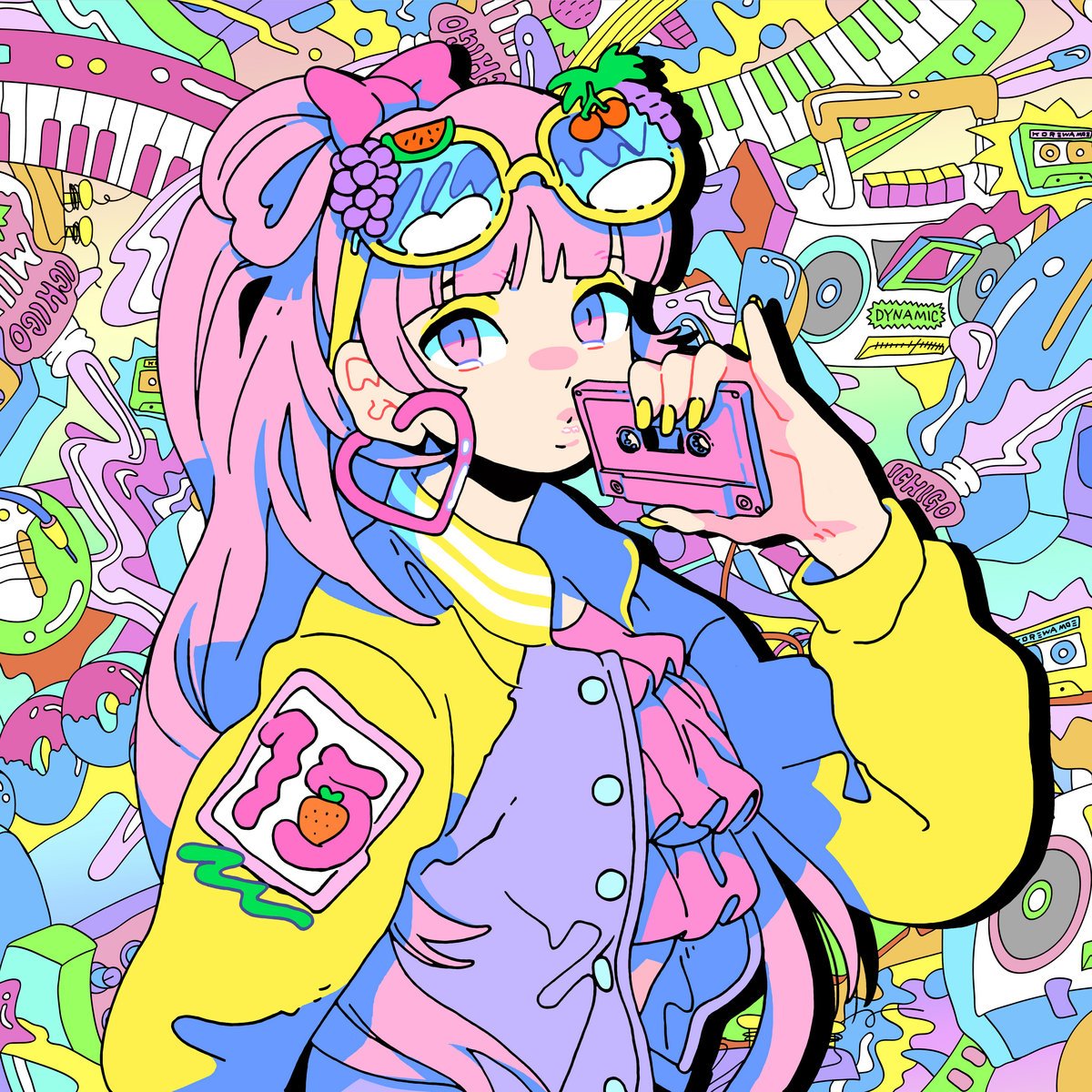
Step into a corner of internet culture, and chances are you’ll encounter 'The Moe Culture & Community.' Far from a fleeting trend, this phenomenon, deeply rooted in Japanese pop culture, has blossomed into a global sensation, shaping everything from character design to online social dynamics. But what exactly is Moe, and why does it evoke such powerful emotional connections in millions worldwide? Forget simplistic definitions; to truly grasp Moe is to understand a complex interplay of aesthetics, psychology, and evolving fandom.
At a Glance: What You’ll Discover About Moe
- Moe Defined: It's an emotional response of affection, adoration, and protectiveness towards fictional characters, typically in anime, manga, and gaming.
- Beyond Cuteness: While often associated with "cute," Moe encompasses a wider range of endearing traits, including innocence, vulnerability, and specific character archetypes.
- Psychological Appeal: Moe taps into our innate desire for connection, escapism, and the satisfaction of nurturing.
- Global Phenomenon: Originating in Japan, Moe has transcended borders, influencing character design and fandom worldwide.
- A Thriving Community: From fan art to dedicated online forums, the Moe community is vibrant, creative, and highly engaged.
- Navigating Nuances: We'll address common misconceptions and discuss how to appreciate Moe responsibly.
Unpacking "Moe": More Than Just a Feeling
At its heart, Moe is an intensely personal, subjective feeling of deep affection and endearment felt by fans towards fictional characters. The term itself, "萌え" (moe), originally derives from the Japanese word for "budding" or "sprouting," often associated with the blossoming of fresh, young greenery. In modern pop culture, this metaphor extends to the burgeoning of warm, fuzzy feelings in one's heart.
You might think of it as an overwhelming urge to cherish, protect, and adore. It’s not just about a character being aesthetically pleasing; it’s about their personality quirks, vulnerabilities, specific design elements, or even their circumstances that trigger a powerful, empathetic response. It’s that moment a character does something unexpectedly pure, clumsy, or resolute that just melts your heart. This isn't just a casual appreciation; it’s a profound emotional investment that drives significant fan engagement.
The Genesis of Endearment: Tracing Moe's Roots
While the term "Moe" gained widespread recognition in the late 1990s and early 2000s, the concept it describes has a longer lineage within Japanese visual culture. Anime and manga have always featured characters designed to evoke sympathy and affection, but the conscious identification and celebration of these specific feelings as "Moe" marked a turning point.
Early on, the rise of internet forums and otaku (passionate fan) culture in Japan played a crucial role. Fans began to dissect and categorize the traits that caused this "Moe" feeling, sharing their adoration and debating its finer points. This communal identification helped solidify the concept, moving it from an unspoken aesthetic preference to a recognized cultural phenomenon. Works like Sailor Moon, Neon Genesis Evangelion, and later, titles like K-On! and Lucky Star, didn't just feature popular characters; they became touchstones for fans analyzing and celebrating their Moe qualities.
Why We Fall: The Psychology Behind Moe's Irresistible Pull
What makes a collection of pixels or ink lines so incredibly captivating? The appeal of Moe characters is multifaceted, tapping into several deeply human psychological tendencies. It’s not simply about understanding 'kawaii' aesthetics; it's about how those aesthetics interact with our minds.
The Nurturing Instinct
Many Moe characters, particularly those embodying innocence or vulnerability, evoke a strong desire to protect. This taps into our innate nurturing instincts, similar to how we might feel towards a child or a pet. The character’s perceived helplessness, earnest struggles, or endearing clumsiness makes us want to shield them from the harshness of the world. This feeling provides a sense of purpose and emotional fulfillment for the viewer.
Escapism and Idealization
Moe offers a powerful form of escapism. These characters often inhabit worlds less complicated or more fantastical than our own, allowing fans to project desires and emotions onto them. They can represent idealized versions of traits we admire – unwavering optimism, pure kindness, or earnest dedication – providing a comforting fantasy far removed from reality.
Empathy and Connection
While fictional, Moe characters are designed to be relatable on an emotional level. Their internal struggles, small victories, and unique personalities can resonate deeply with viewers. When you see a character trying their best despite their limitations, or expressing genuine joy, it fosters empathy and a sense of connection, almost as if they were a real friend or loved one.
Wish Fulfillment
For many, Moe characters offer a form of wish fulfillment. They might embody ideal companions, friends, or even romantic interests. Their idealized traits and often positive, supportive dispositions create a safe emotional space where fans can experience uncritical affection and belonging. This is particularly true in games or visual novels where player choice can influence the character's interactions, deepening the sense of personal connection.
The Archetypes of Adoration: Common Moe Character Traits
Moe isn't a single character type; it's a constellation of traits that, alone or in combination, can trigger that feeling of endearment. While there's endless variety, certain common anime character archetypes are particularly known for their Moe qualities.
The Pure & Innocent (Dojikko, Genki Girl)
- Dojikko (Clumsy Girl): Often seen stumbling, making adorable mistakes, or being innocently oblivious. Their earnest efforts to do good, despite their clumsiness, are endearing.
- Genki Girl (Energetic Girl): Bursting with positivity, enthusiasm, and boundless energy. Their infectious optimism can be incredibly heartwarming.
The Shy & Reserved (Dandere)
- Dandere: Quiet and shy, often struggling to express themselves but revealing a warm, caring personality once they open up. Their hesitant attempts at communication can be incredibly charming.
The Tsundere's Soft Side
- Tsundere: Initially harsh, cold, or even violent on the outside, but with a deeply warm, soft, and caring interior that occasionally peeks through. The rare glimpses of their genuine affection are highly prized and can be profoundly Moe.
The Little Sister Type (Imouto)
- Imouto: Characters who embody the traits of a younger sister – often playful, sometimes mischievous, and seeking affection or guidance. This taps directly into the nurturing instinct.
The Glasses Girl (Megane)
- Megane-ko: Often intelligent, studious, or a bit reserved. The simple act of adjusting their glasses, or their character arc involving them taking off their glasses, can be a specific trigger for Moe feelings.
Visual Cues: Beyond Personality
Beyond personality traits, specific visual elements play a huge role. Large, expressive eyes, soft facial features, petite stature, unique hair accessories, or even a characteristic way of dressing all contribute to a character's Moe appeal. These designs are often meticulously crafted to maximize their endearing qualities.
Moe's Global Resonance: Beyond the Archipelago
While born in Japan, the Moe phenomenon has effortlessly transcended its geographical origins. As anime, manga, and Japanese games gained global traction, so too did the aesthetic and emotional language of Moe. Today, you'll find Moe-inspired character designs and emotional connections flourishing across continents, influencing Western animation, independent game development, and digital art communities.
This global spread isn't merely imitation; it's an adaptation. Different cultures interpret and integrate Moe elements into their own artistic expressions, sometimes subtly, sometimes overtly. The universal appeal of cuteness, vulnerability, and admirable qualities finds fertile ground in diverse audiences, leading to a vibrant exchange of ideas and creative output. The accessibility of online platforms has further accelerated this global fusion, allowing artists and fans from all corners of the world to connect and share their passion.
The Moe Community: A Hub of Passion and Creativity
The individual feeling of Moe quickly becomes a collective experience within its dedicated communities. Online forums, social media groups, fan art platforms, and conventions serve as vital spaces where fans converge to celebrate their beloved characters and share their emotional investments. This community aspect is a cornerstone of Moe's enduring popularity.
Sharing the Love: Fan Art and Fan Fiction
One of the most visible expressions of the Moe community is the outpouring of fan-created content. Artists dedicate countless hours to drawing, painting, and sculpting their favorite characters, often depicting them in new scenarios or highlighting their most endearing traits. Writers craft elaborate fan fiction, exploring character relationships and expanding on existing narratives. This creative output isn't just a pastime; it's a testament to the profound emotional impact these characters have. You can often find stunning creations within thriving digital art communities.
Discussion and Debate: Analyzing the Appeal
Online forums and social media are bustling with discussions dissecting the nuances of Moe. Fans debate what makes a character "Moe," share their personal favorites, and analyze character development through the lens of endearment. These conversations foster a sense of belonging and allow fans to deepen their understanding and appreciation of the culture.
Events and Gatherings: Real-World Connections
Beyond the digital realm, conventions and fan gatherings provide opportunities for the Moe community to connect in person. Cosplay, merchandise hunting, and shared experiences create memorable moments, transforming individual adoration into a shared cultural celebration. It’s a space where enthusiasm is openly embraced and understood. If you’re looking to dive deeper into the broader world of Japanese pop culture and fandom, you’ll find a wealth of information at Your NT Anime Hub.
Navigating the Nuances: Addressing Criticisms and Misconceptions
Like any prominent cultural phenomenon, Moe is not without its critics and faces common misconceptions. Acknowledging these helps foster a more mature and nuanced understanding.
Misconception 1: Moe is Synonymous with Sexualization
The Reality: While some Moe characters might exist in suggestive contexts (as does content in many forms of media), Moe itself is fundamentally about emotional endearment and affection, not inherent sexualization. Many Moe characters are explicitly designed to be innocent, wholesome, or even childlike, evoking a protective rather than a sexual response. Confusing the two is a common oversight that ignores the diverse range of Moe expressions and the true emotional core of the culture. The focus is on characteristics that evoke warmth and affection, not necessarily attraction.
Misconception 2: Moe Characters Lack Depth
The Reality: While some Moe characters might be archetypal, many others are incredibly complex and well-developed. Their Moe qualities often serve as an entry point, drawing viewers in before revealing deeper layers of personality, struggle, and growth. Think of a seemingly naive character who eventually shows immense courage, or a clumsy one who harbors a secret talent. The emotional connection cultivated by Moe can make these character arcs even more impactful.
Misconception 3: Moe is Only for Men
The Reality: While the early history of Moe may have been more male-dominated within the otaku sphere, the appeal of "Moe" characters has broadened significantly. Many women enjoy and connect with Moe characters, whether through identification, aspirational feelings, or simply appreciating endearing qualities. The universal nature of affection and cuteness transcends gender. For a broader look at the evolution of otaku culture, you'd find its reach extending far beyond initial demographics.
The "Moe Gap" and Ethical Considerations
A more legitimate discussion point sometimes arises around the "Moe gap" – the perceived gap between the idealized nature of Moe characters and the complexities of real human relationships. Critics sometimes argue that an over-reliance on idealized fictional companions could impact real-world social interaction.
However, for the vast majority of fans, Moe is a form of entertainment and escapism, not a substitute for real life. It provides comfort, inspiration, and a sense of community, much like any other hobby or fandom. The key, as with any media consumption, lies in maintaining a healthy balance and understanding the distinction between fiction and reality. Engaging respectfully with both the characters and the community is paramount.
The Enduring Appeal: What's Next for Moe?
Moe is not a static concept; it continually evolves. As new anime, manga, and games emerge, character designers and storytellers find fresh ways to tap into those beloved feelings of endearment. We see new archetypes, blendings of existing ones, and innovative visual styles that all contribute to the rich tapestry of Moe.
Its influence is likely to continue spreading, not just in Japanese media but also globally, as creators worldwide recognize the power of emotional connection in character design. The emphasis on fostering genuine affection and empathy through fictional characters is a powerful tool for storytelling and community building that transcends linguistic and cultural barriers.
Your Guide to Engaging with the Moe Culture
If you're new to the world of Moe or looking to deepen your appreciation, here's how you can thoughtfully engage:
1. Start with Exploration
Don't feel pressured to understand every nuance immediately. Begin by watching popular anime, reading manga, or playing games known for their Moe characters. Pay attention to how characters are designed, their personalities, and how they interact with others. Which ones evoke a feeling of warmth or a desire to protect in you?
- Anime examples: K-On!, Lucky Star, Miss Kobayashi's Dragon Maid, Laid-Back Camp (for wholesome, slice-of-life Moe).
- Game examples: Many visual novels and Gacha games feature characters explicitly designed with Moe appeal.
2. Connect with Communities
Engage with other fans online or at conventions. Joining discussions on forums like Reddit (e.g., r/anime, r/moe), Discord servers, or social media groups can help you discover new works, understand different perspectives, and share your own appreciation. Learning about ways to engage with your favorite fandoms can greatly enhance your experience.
3. Reflect on Your Feelings
Pay attention to why certain characters resonate with you. Is it their innocence, their determination, their clumsiness, or something else entirely? Understanding your own emotional responses can deepen your appreciation for the artistry behind Moe character design.
4. Support Creators Ethically
If you find characters or series that you genuinely love, consider supporting the official creators through buying merchandise, subscribing to streaming services, or purchasing games. This helps ensure that the culture you enjoy can continue to thrive.
The Moe Culture & Community offers a unique window into the human capacity for affection and empathy, directed at the delightful creations of imagination. It’s a testament to the power of fictional characters to evoke genuine emotion, foster vibrant communities, and provide a comforting escape in an often-complex world. Dive in, and you might just find your heart sprouting with a little bit of Moe.